

What're the Key Differences Between Centralized and Distributed Argon Recovery System
Consequently, on-site gas recycling has transitioned from a basic sustainability initiative into a strategic economic necessity. Industrial facilities deploy advanced recycling technologies to secure their manufacturing lines and insulate themselves from unpredictable market spikes. In this rapidly evolving landscape, choosing an expert technology partner remains vital for long-term project success. Identifying a trusted Global Leading Argon Recovery System Supplier allows modern industrial enterprises to achieve reliable gas independence. Modern plant managers face a defining operational choice between centralized and distributed argon recovery systems. Each architecture reflects a fundamentally different engineering philosophy for resource recovery and facility optimization.
Centralized Cryogenic Frameworks: The Giga-Scale Efficiency Paradigm
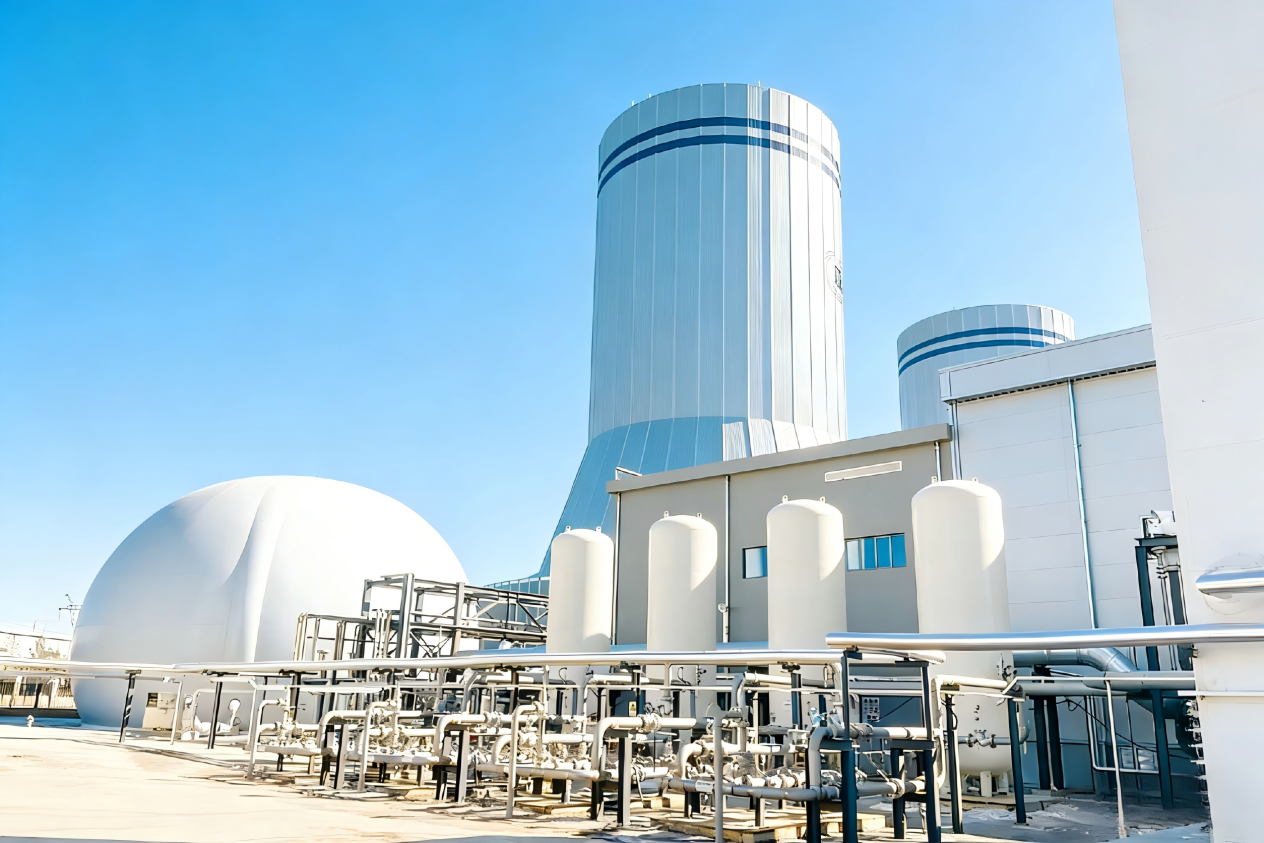
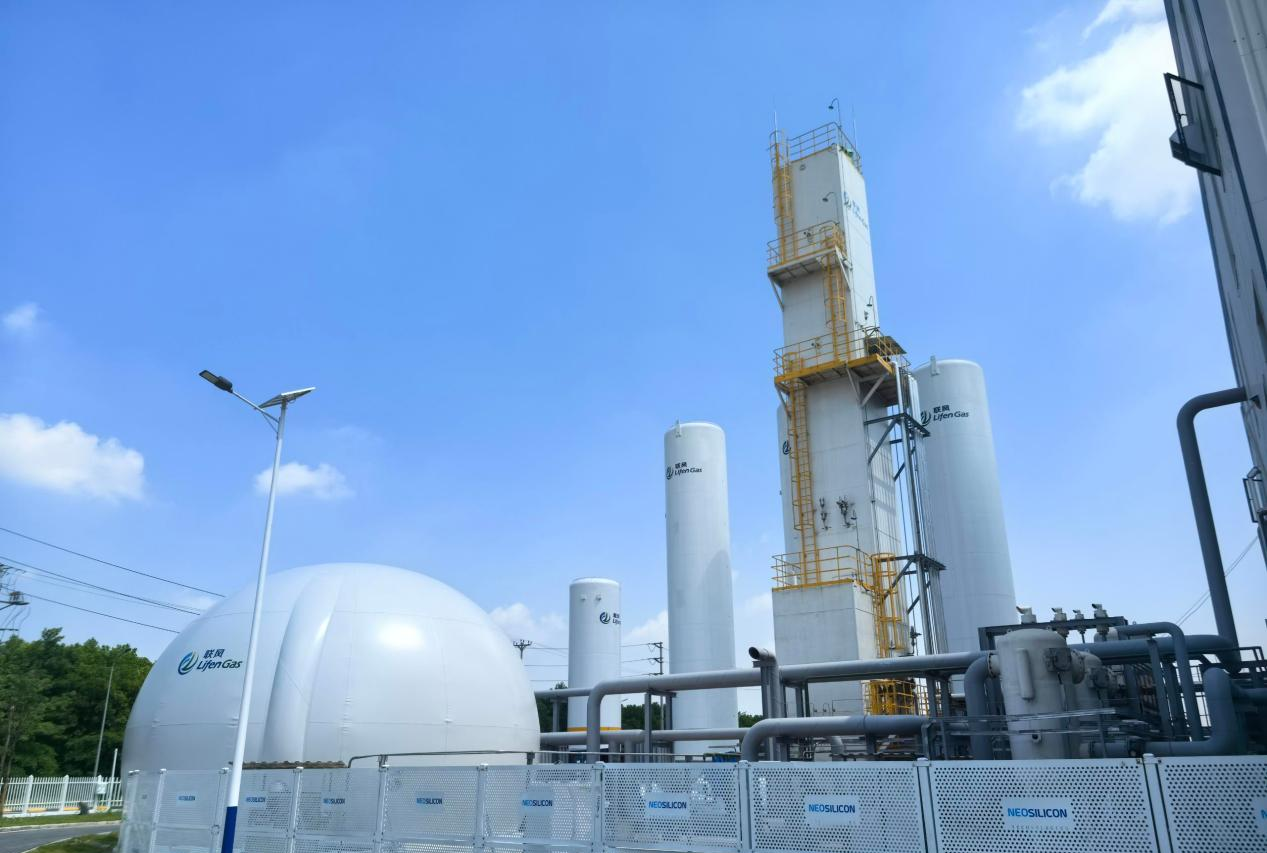
Centralized argon recovery systems operate as unified macro-infrastructures within a manufacturing facility to process massive waste streams. These large plants integrate multiple complex chemical and physical purification stages into a single high-capacity setup. The installation ingests raw waste gas from dozens of individual furnaces simultaneously through a comprehensive collection network. First, the gas passes through advanced dust removal modules to eliminate microscopic silicon particles and metal oxides. Next, multi-stage compressors elevate the gas pressure to prepare for chemical purification. The system then directs the compressed gas through carbon removal and catalytic deoxygenation units to eliminate trace impurities. Finally, the gas enters a heavy cryogenic distillation column inside an insulated cold box. This massive configuration often scales from 600 to over 16,600 Nm3/h in processing capacity. Cryogenic separation offers significant thermodynamic superiority over traditional physical adsorption techniques at this scale. Deep cryogenic rectification leverages the precise boiling point differences of gases to isolate pure argon from nitrogen and oxygen. Consequently, centralized systems achieve premium product purity while driving ultra-high recovery rates consistently. Large monocrystalline silicon ingot clusters, massive semiconductor fabs, and continuous steel production lines utilize centralized frameworks. These specific industries require a steady, enormous supply of high-purity gas to sustain around-the-clock manufacturing operations without interruption.
Distributed Skid Modules: Node-Level Flexibility and Its Boundaries
Distributed argon recovery systems utilize compact, independent skid modules instead of a single massive purification plant. Operators deploy these localized purification loops directly adjacent to specific production nodes or isolated crystal pulling furnaces. This decentralized approach eliminates the need for extensive, facility-wide utility piping networks across the factory floor. Therefore, a distributed system offers immediate spatial flexibility and relatively quick installation timelines for smaller operations. However, this decentralized engineering architecture introduces much lower overall recovery rate that plant managers must consider. Distributed systems often rely on pressure swing adsorption or localized chemical getters rather than deep cryogenic distillation. This specific process cannot eliminate nitrogen. Nitrogen accumulated in the recycling flow, and after several loops, and the content get to a limit that all argon gas must be vented. Furthermore, operating multiple separate modules across a facility diminishes thermodynamic scale efficiency over time. Distributed systems typically fit fragmented manufacturing layouts or localized, low-volume powder metallurgy nodes. Facilities with highly intermittent, batch-operated equipment also benefit from this flexible, point-of-use arrangement. Nevertheless, managing a large fleet of individual skids creates unique logistical challenges for maintenance crews.
The Quantitative TCO Matrix: Hard Metrics vs. Financial Trade-Offs
Evaluating the true differences between centralized and distributed architectures requires a strict total ownership cost analysis over a multi-year horizon. Argon recovery rates represent the primary financial differentiator between the two system designs. Advanced centralized cryogenic systems achieve benchmark recovery rates of 96% to 97% under normal operating conditions. In contrast, scattered distributed adsorption modules yield significantly lower cumulative recovery percentages, often losing gas during regeneration cycles. Specific unit energy consumption also highlights the economic divergence between these two recovery strategies. Large, continuously optimized centralized compressors require far less power per cubic meter of processed gas. Conversely, a fleet of multiple micro-compressors across a factory floor generates a high cumulative power draw. This efficiency gap directly impacts long-term operating costs and overall facility profitability. Centralized configurations require a higher initial capital expenditure for civil engineering, infrastructure, and heavy piping networks. Distributed skids lower the initial capital investment but increase recurring operational expenses substantially. A centralized system reduces operating costs drastically by recovering argon at one-tenth of the market purchase price. Meanwhile, a distributed fleet incurs higher long-term maintenance overhead due to the sheer number of moving parts across separate locations and much higher make-up argon cost.
Dissolving the Rigidity Paradox: How LifenGas Synthesizes Scale with Agility
Many plant engineers believe that centralized systems suffer from inherent operational rigidity during market downturns. Critics assume that massive cryogenic installations cannot adapt to fluctuating production tempos or variable crystal furnace loads. However, modern automation effectively challenges this rigid myth through smart control loops. For instance, LifenGas(Shanghai LifenGas Co., Ltd.) successfully solves this challenge through advanced software integration. The company implements proprietary Model Predictive Control technology to handle fluctuating industrial demands smoothly. This automatic variable-load system modulates centralized production in real-time based on upstream waste gas volume. The automation adjusts compressor speeds and cryogenic flow rates without sacrificing gas purity or risking unexpected downtime. Consequently, facilities capture maximum scale economies during peak production while maintaining high efficiency during low-load periods. Furthermore, an integrated automatic backup system ensures seamless transitions during main system maintenance windows. This engineering strategy provides comprehensive operational insurance, showing how LifenGas delivers both giga-scale efficiency and node-level operational agility.
Strategic Selection Blueprint: Mapping System Architecture to Industry Realities
Industrial facilities must align their gas recovery architecture with specific production volumes and geographical layouts to maximize returns. Massive photovoltaic and semiconductor plants consuming over 150 tonnes of argon per day require a centralized backbone. This setup secures multi-million dollar annual savings and stabilizes the sensitive manufacturing environment. Shanghai LifenGas Co., Ltd. demonstrates this capability by delivering large-scale engineering solutions worldwide. The company achieves notable success by delivery of core argon recovery systems to international solar initiatives, which powers major quartz-to-module gigafactory expansions. Managers in these sectors must carefully balance plant geography, cyclical gas flows, and long-term expansion goals. In conclusion, choosing the right recovery framework transforms a variable gas expense into a predictable, sustainable asset. Partnering with specialized engineering experts enables modern factories to maximize resource efficiency and secure a resilient supply chain.
Official Website: https://www.lifengas.com/.
Shanghai LifenGas Co., Ltd.
Shanghai LifenGas Co., Ltd.
+ +86 21-34553961
email us here
Visit us on social media:
LinkedIn
Legal Disclaimer:
EIN Presswire provides this news content "as is" without warranty of any kind. We do not accept any responsibility or liability for the accuracy, content, images, videos, licenses, completeness, legality, or reliability of the information contained in this article. If you have any complaints or copyright issues related to this article, kindly contact the author above.
